

Updated November 2026.
Yes, Pyrex glass bakeware is oven safe, but only in a preheated conventional or convection oven, and never under the broiler, on the stovetop, in a toaster oven, or on a grill. Avoid sudden temperature changes: don’t move a hot dish onto a wet or cold surface, don’t add liquid to a hot dish, and don’t take it straight from the freezer into a hot oven. Plastic Pyrex lids are not oven safe. Read on for the details and the most common mistakes that make glass bakeware break.
Glassware made out of Pyrex can be heated in an oven if several precautions are taken first; they should never be heated quickly, and you must make sure there’s no damage done beforehand, which could result in shards flying off during the healing process.
With the clear indication that Pyrex dishes can be safely used in ovens, let’s look at some safety care you should take when cooking with this glassware. You might also be curious about how to identify or use vintage Pyrex dishes if you do happen to come into possession of one. To help give your question more clarity and information, read ahead for what we’ve uncovered in this post.
What is Pyrex?
Pyrex is a brand of glass bakeware and storage containers. Pyrex glass sold in the U.S. today is tempered soda-lime glass (vintage and European Pyrex is often borosilicate). It is safe in a preheated oven, the microwave, the fridge and the freezer, but it should not be used under the broiler, on the stovetop or over any direct flame, and it should be protected from sudden temperature changes (thermal shock).
How do I identify vintage Pyrex? Try looking for the word “pyrex” embossed into the bottom of the dishware, along with numbers near it denoting what year it was manufactured; if you find one without these markings, it is not vintage Pyrex and is likely broken.
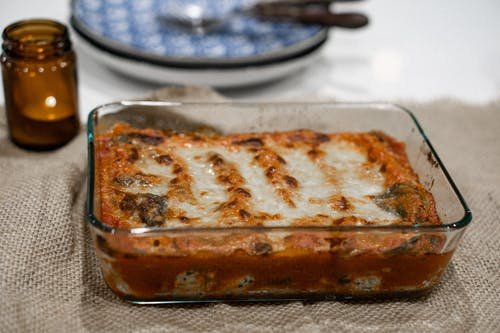
Taking care when using Pyrex
There would be nothing worse than hearing the shattering of glass coming from your oven. Picture spending hours prepping a big feast only to have a piece of glassware explode inside, showering your whole meal with thousands of pieces of crushed glass. It can indeed happen when you bake with something like Pyrex, but following specific guidelines and being aware can keep it from happening.
Bring to room temperature
To prevent the glass in Pyrex from shattering, let it come to room temperature before you place it into your oven. If you cook with a dish the day before and store it overnight in the fridge, you can’t just pop it into the oven without letting it sit out first. This protects against thermal shock breaking up the inside of your perfectly prepared meal and setting off an explosion all over dinner.
Check for cracks
Improperly cared for Pyrex dishes may lead to cracks, chips, or other damage as time goes on. Before using the container for your intended purpose, scrutinize it and make sure there are no signs of wear or chip that would compromise its ability to be used in a high-temperature environment. Pyrex can withstand the temperature range of a regular oven. However, if your dish has any cracks or chips, it will shatter into pieces under the intense heat.
Be aware of oven temperature
Pyrex dishes are designed to withstand higher temperatures, but they have their limits. At the lower end of a typical oven’s temperature range, it should be safe for Pyrex cookware to be used inside the oven. Pyrex is safe to use in a conventional or convection oven as long as the temperature does not exceed what is approved for that type of oven.
Keep it off of the stovetop!
Pyrex is secure to use in an oven or microwave because the heat is spread evenly around the glass. However, this type of glassware should not be used on a gas burner because direct heat can cause it to expand and shatter.
TIP: If you’re using your own oven, remember to pre-heat it. And if you are a Pyrex fanatic and have multiple pieces of this glassware in the kitchen, store them carefully, so they don’t knock into one another while clanking around in cabinets or drawers unprotected.
What type of glass is Pyrex?
Pyrex is a tempered glass, which is very different from the window panes that used to be made out of regular plain old glass. Tempered is actually two sheets of clear glass with an inner layer in between them (typically blue or green), and it’s been heated and cooled down until they fused together into one single sheet.
The resulting product is much stronger than traditional dishware because you can’t crack it by dropping something heavy on top of it like you could with typical plate-glass windows. The Pyrex name comes from this new type of strong but lightweight material: “pyro” meaning heat; “Xena” meaning transparent – so Pyrex means “heat-transparent.”
- In 1998, Pyrex changed its material for dish production – meaning they no longer used borosilicate glass but instead switched over to soda-lime. Here are some more clues:
- After 1998, there is not always a raised back stamp on their dishes
- They began using square corners in place of wedges (as seen on Bormioli Rocco products) or round edges (like Anchor Hocking Ware). This can be done with different colors too!
- Ultimately, vintage Pyrex is the holy grail for collectors. There is a growing market for these pieces because they are so sought after and rare!
How to identify pyrex glass?
Is the vintage dish you’re considering buying at an estate sale Pyrex? May you’ll be able to figure it out by looking for a couple of tell-tale signs.
In 1915, Corning factories began using has a back stamp on the underside of their products to distinguish their dishware. When handling Pyrex cookware, the back stamp is often promoted instead of being stamped with ink. The raised back stamp is resistant to years of washing and resists scratches.
Determining the age of vintage Pyrex is difficult but possible. The number is a code that identifies the year and is printed on the bottom of the piece. If you don’t know what type of glass your cookware is made from, it’s challenging to identify when it was manufactured.
Can pyrex lids go in the oven?
The lid is safe in the oven, so long as it is not touching any food. Be sure to use a baking dish or casserole that will keep the heat away from the glass of your Pyrex dish if you want to put a lid on top for cooking.
In a recent post, we determined that lids and dishes are both safe to go in the oven after taking certain safety precautions. What about the outside of the Pyrex?
Are they heat resistant? Yes! Like nesting bowls, you can put lids and dishes in the oven without fear of them breaking or melting.
Can pyrex mixing bowls go in the oven?
Pyrex is a brand name that is well known for its glassware. This includes the mixing bowls, which have been made of borosilicate since 1915. It is safe to put these in your oven as long as you keep them away from any source of direct heat and they don’t come into contact with anything else inside the oven or microwave.
Check the back stamp on Pyrex dishware to ensure that oven-safe conditions are met. This is the same logo that is found on your Pyrex dishes and will indicate when it was manufactured. If you see any water spots, don’t worry! That is just proof of its authenticity. Like most things that go in the oven, Pyrex dishes are temperature-sensitive.
The mixing bowl will be safe to use in an oven only if it doesn’t come into contact with anything else inside the oven or microwave while heating up. Likewise, do not put this dish directly onto a stovetop burner where there is direct heat from a flame either because the glass can shatter due to rapid changes in temperature by expanding too quickly as opposed to gradual change over time. It will tell you on the label whether or not your dish is safe for use on your stovetop. Make sure to follow all surety forethoughts when handling any hot pots and pans, too.
Is it safe to use vintage Pyrex?
The only real thing is that you have to take additional care with vintage Pyrex because it can be more brittle than the newer kind of dish is. Be sure not to drop a hot word right into cold water and vice versa, for example. Also, you’ll want to avoid using metal utensils on your vintage Pyrex, as this could lead to chipping or scratching its surface.
In addition, some kinds of food are better-suited for glassware, so they won’t stick like their counterparts will when cooking in plastic or tin foil containers would. And don’t forget about those pesky stains! They might need special attention before being rewashed, too, if one is dealing with vintage Pyrex rather than newer Pyrex
Pyrex is dishware that is made of glass and is oven-safe. But is it safe to put vintage Pyrex in the oven? Generally speaking, any food you would cook can be cooked in a Pyrex dish or bowl so long as they are taken out before they become cold, or hot for that matter. The same goes for the lids! Things to keep your eye on are the vintage pieces is how brittle they may have become over time, which means using more caution when handling them, such as not dropping a hot dish into cold water in order to avoid shattering the piece altogether. Another essential tip is if cooking some kind of sticky food like rice where other types of containers might cause it to stick.
In closing
In closing, Pyrex is a popular type of glassware that has been used in kitchens for over one hundred years. With its durable construction, Pyrex can be used in ovens, whether conventional, convection, or microwave. Be sure to follow safety precautions when using Pyrex. Always use oven mitts when handling this cookware!
Pyrex is an American company that makes bakeable dishes made from borosilicate glass which is more resistant to thermal changes than other types of drinks on the market today.” Whether your dish is cooking with cold air or hot microwaves, again make sure you are using proper precautions like wearing protective gloves as we have discussed throughout our post.” Safety first!”.
Helpful Gear on Amazon
As an Amazon Associate we earn from qualifying purchases. Links below go to current Amazon listings so you can compare prices and reviews.
- Pyrex glass baking dishes
- Pyrex glass storage sets
- Silicone trivets (for hot dishes)
- Heat-resistant oven mitts
Related Guides
- Pyrex: Can It Be Used on the Stovetop?
- How to Check if Cookware Is Oven Safe
- Casserole Dish Sizes
- 6 Best Glass Food Storage Containers
Frequently Asked Questions
Can Pyrex go in the oven at 450°F?
Check the instructions for your specific dish. Pyrex glass is meant for preheated ovens, but the main risk is sudden temperature change, not a specific oven setting.
Can Pyrex go from the fridge to the oven?
Let it sit at room temperature first, and always put it into a fully preheated oven. Never move it straight from the freezer to a hot oven.
Are Pyrex lids oven safe?
No. Plastic Pyrex lids are for storage only. Cover the dish with foil in the oven instead.
Why did my Pyrex dish shatter?
Usually thermal shock: a sudden temperature change such as placing a hot dish on a wet counter, adding cold liquid, or using it under the broiler or on a burner.
More on Pyrex: Pyrex: Can it Be Used on the Stovetop?
Can Pyrex Be Used on the Stovetop?
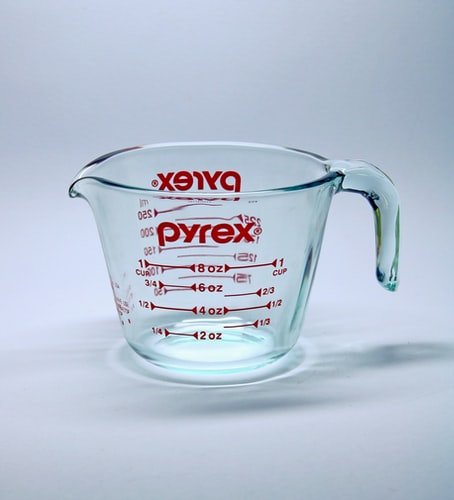
Pyrex ovenware is created with a mixture of silica and boric acid: which in turn forms a low-melting glass that resists thermal shock. Pyrex can withstand prolonged periods of heat or cold since its ability to change shape at an intense temperature.
In 1990, Corning sold its Pyrex line to World Kitchens, which switched from borosilicate to soda-lime glass, making it more likely that a Pyrex dish will fail when heated and spill your food or heating liquids.
Grandma is right, BUT so is Mom. This change in manufacturing material was made by the company AFTER Grandma’s time, causing her no problems but potentially a problem for us today.
Pyrex cookware is typically heat-strengthened soda-lime and may be used on a stovetop, but not Pyrex bakeware unless under conditions that require lower temperatures. Consumers can use their pyrex oven for other cooking options such as microwaves or roast using convection and conventional ovens.
How to Avoid Mishaps with Pyrex Bakeware
- Pyrex pieces may be used on a stove or oven, but they should not exceed 425°F.
- Place the glassware into your oven before turning it on. This increases the usable temperature to speed up cooking time while allowing for easy cleanup.
- Pyrex is not dishwasher or oven safe.
- Avoid drastic changes in temperature when using Pyrex. Hot items should be taken from the oven, followed by iced items taken from the freezer. When using Pyrex on the Stovetop, be aware that it is not heat-safe. Ensure there are no liquids in your dish before putting it on a hot surface, as they will likely evaporate and dry to your baking pan or dish. If you would like to baste while cooking, use sauce from the frying pan or an oil-free liquid such as broth or wine for cooks with olive oils allergies.
- To prevent a hot Pyrex dish from cracking when cooking, place it on a layer of water.
- Pyrex is a kitchen staple and can be used on stovetops regardless. Make sure to inspect the dish first, though, as I’ve found that some Pyrex dishes are deeply scratched or chipped even when they don’t appear to be.
- Do not put a nearly empty Pyrex dish in the microwave to reheat.
- Do not place Pyrex on a wet or damp cloth.
- It is not advisable to use Pyrex on the Stovetop, especially if we are talking about heating food with browning wrappers.
Easy Cleanup
- Pyrex can be used on the Stovetop
- To remove stains, use non-abrasive cleaners and baking soda.
Why Does Pyrex Shatter?
When Pyrex is heated, it expands; when cooled down, the glass contracts. If this rapid change in temperature happens slowly, then Pyrex may shatter or just crack instead.
Pyrex can break on a stovetop because of sudden changes in heat from low to high or vice versa that cause Pyrex to expand quickly as it heats up or contract rapidly due to cold temperatures. The pyrex ovenware was designed for baking but will work well with other cooking methods such as microwaving and roasting if you are looking for an alternative way to cook your food without using another type of material that could be more damaging than Pyrex would be like metal pans which tend to overheat too quickly causing browning wrappers all around the dish making them much harder to clean.
Pyrex can be used in the oven if you put it in before turning it on; this helps pyrex work at a higher temperature which speeds up cooking time and also cleans pyxes easier because Pyrex doesn’t need to be scrubbed or soaked like other dishes that are not Pyrex such as glass pans.
The only downside is that Pyrex isn’t dishwasher safe, so when using Pyrex with high heat temperatures, always wash by hand for easy cleaning rather than letting them soak and become stained like many of my grandmothers were. She gave me her old kitchenware when I finally found out about pyres after researching what went wrong with our newer generations’ manufacturing processes since Corning sold its Pyrox to World Kitchen after closing its New England factory in 1998.
The Pyrex that we know today was created after World War II with silica sand and boric acid as one of its ingredients. This mix makes low melting point glass, which resists heat shock from extreme temperatures changes due to shape memory properties. In 1990 Corning sold their Pyrus line off so they could focus more on other products leaving most pyros made by world kitchens without borosilicate glass. This change is significant because Pyrex can withstand prolonged periods of heat or cold, but it cannot tolerate drastic temperature changes, which can lead to a pyrex dish shattering and spilling out on the Stovetop, oven floor, or countertops if not careful.
Do not put pyros in the dryer for durability reasons, as there are stories about people doing this with their pyro dishes and then coming back hours later to find that they’ve shattered into pieces due to overheating.
What pans are not meant for use on glass top stoves?
Cast iron performs the worst on a glass surface stove. Cast iron heats up slowly and will cause scratches when put in contact with the surface of the stove. Once it heats up, cast irons tend to hold its temperature, which can damage other cookware that sits nearby.
According to various articles, Stoneware cookware doesn’t work well on the Stovetop. The bottoms often contain unsealed seams that can scratch the surface. Additionally, it is a dense and heavy material, so when removed from the heat source, there’s a chance that it will stay in place rather than sliding across your countertop or table as its lighter counterpart would do.
Avoid using Pyrex or other cookware with glass or ceramic surfaces on the surface of the Stovetop to minimize scratching.