
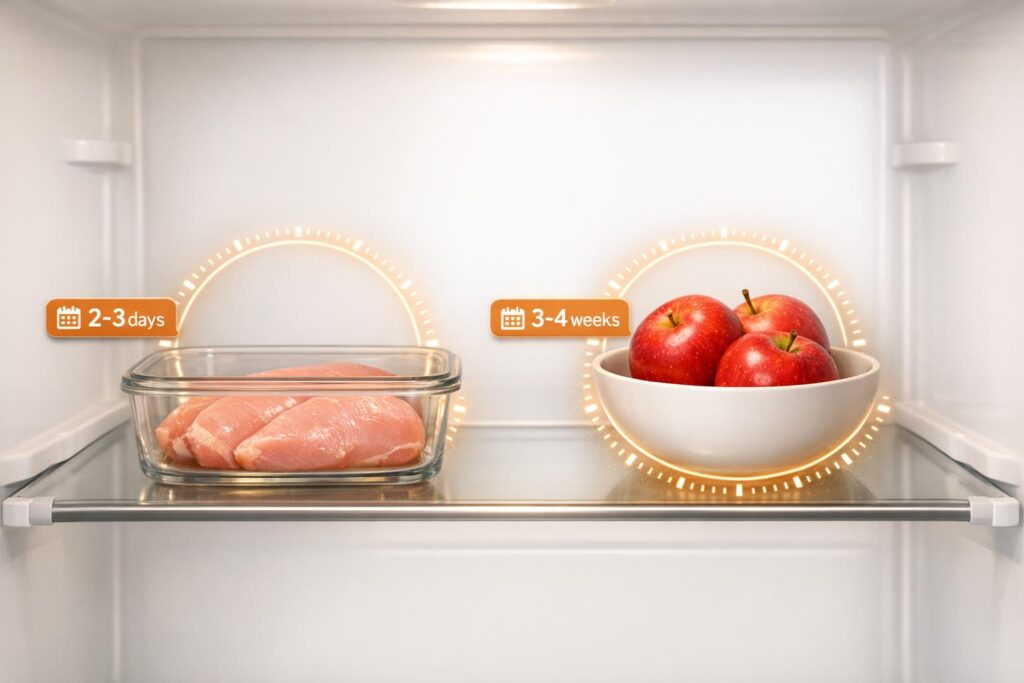
Keep Your Kitchen Safe with a Food Storage Duration Guide
Ever opened the fridge and wondered if that leftover steak is still okay to eat? Knowing how long food lasts in different storage conditions is a game-changer for both safety and reducing waste. A reliable guide to storage times can help you make smart decisions, whether you’re stashing fresh produce in the fridge or bulk-buying meat for the freezer.
Why Storage Times Matter
Food safety isn’t just about avoiding a stomachache—it’s about protecting your family. Different environments like the pantry, refrigerator, or freezer impact how quickly food spoils. For instance, dairy might last a week when chilled but only hours on the counter. Having access to accurate info on shelf life ensures you’re not tossing good food or risking a bad meal.
Tips for Maximizing Freshness
Beyond checking durations, small habits make a big difference. Use airtight containers to lock out moisture, label leftovers with dates, and keep your fridge below 40°F. With over 50 foods in our database, you’ll find tailored advice to keep everything from grains to greens in top shape. Stay savvy in the kitchen and cut down on guesswork!
FAQs
How accurate are the storage times in this tool?
We’ve built this tool using data from trusted sources like the USDA and food safety guidelines. The durations—like 1-2 days for raw chicken in the fridge or 4-6 weeks for apples—are based on optimal conditions. That said, always check for signs of spoilage like odd smells or textures, since storage conditions in your home can vary.
What if my food isn’t listed in the database?
No worries! Our tool covers over 50 common foods, but if your specific item isn’t there, we’ll show a message suggesting similar categories or general storage tips. For example, if you search for an exotic fruit, we might point you to guidelines for other fruits with similar traits. You can always double-check with a quick web search too.
Why do storage times differ between fridge and freezer?
Great question! The fridge slows down bacterial growth, keeping food safe for a short period—like a few days for raw meat. Freezing, on the other hand, stops most bacteria in their tracks, so food can last months, sometimes up to a year. But remember, while freezing extends shelf life, it doesn’t kill all pathogens, so proper handling is still key.