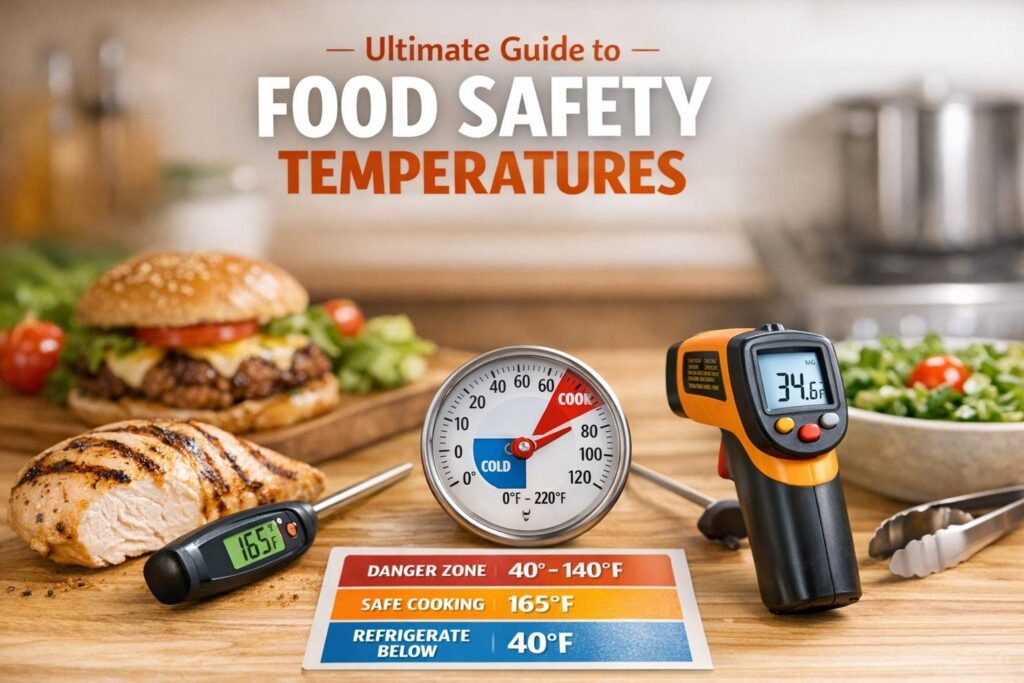
Ultimate Guide to Food Safety Temperatures
Clear temperature rules for safe food: fridge/freezer settings, cooking and reheating temps, danger zone limits, thawing, cooling, and thermometer tips.


Clear temperature rules for safe food: fridge/freezer settings, cooking and reheating temps, danger zone limits, thawing, cooling, and thermometer tips.
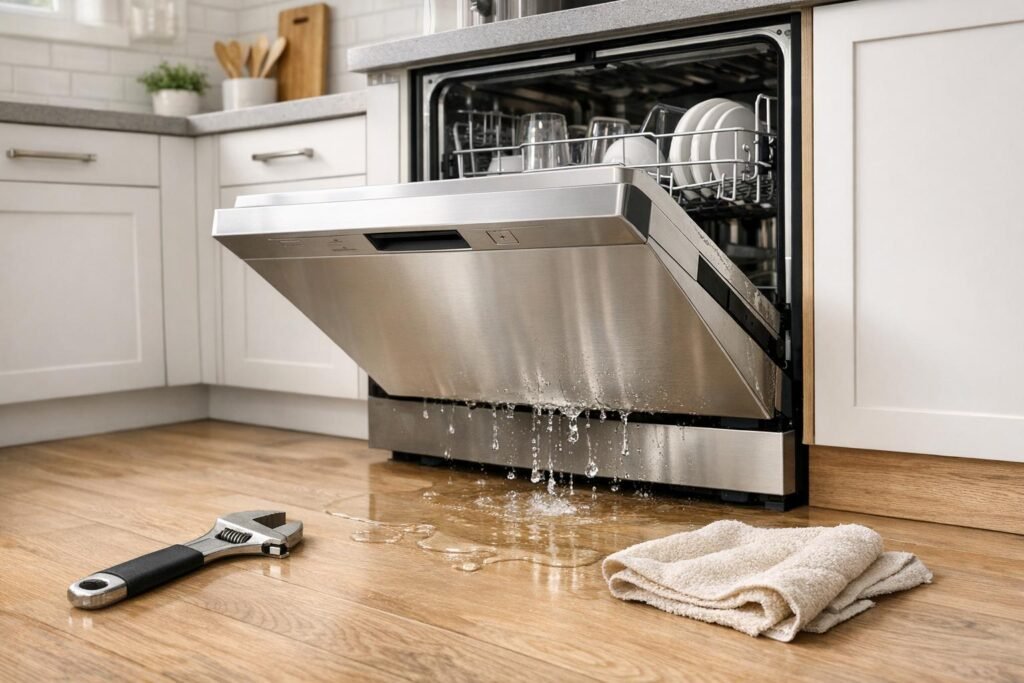
Step-by-step guide to find and fix dishwasher leaks—inspect door gaskets, hoses, pumps, spray arms, and float switches; includes safety and maintenance tips.
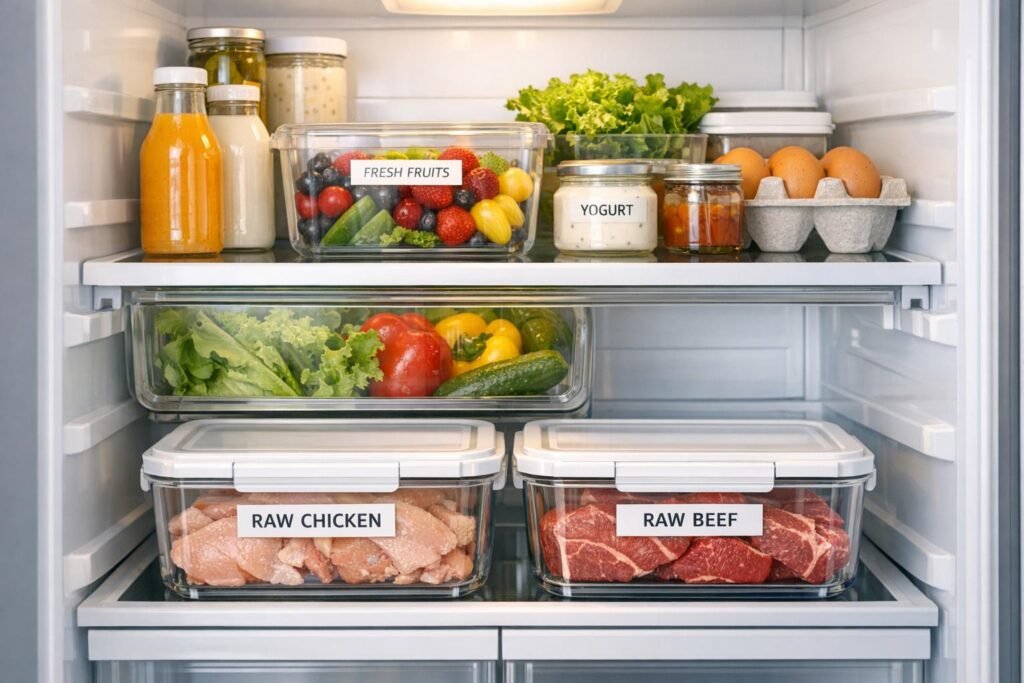
Simple fridge organization: store raw meat on the bottom, use leak-proof containers, keep fridge ≤40°F, clean regularly, and label/rotate to prevent cross-contamination.
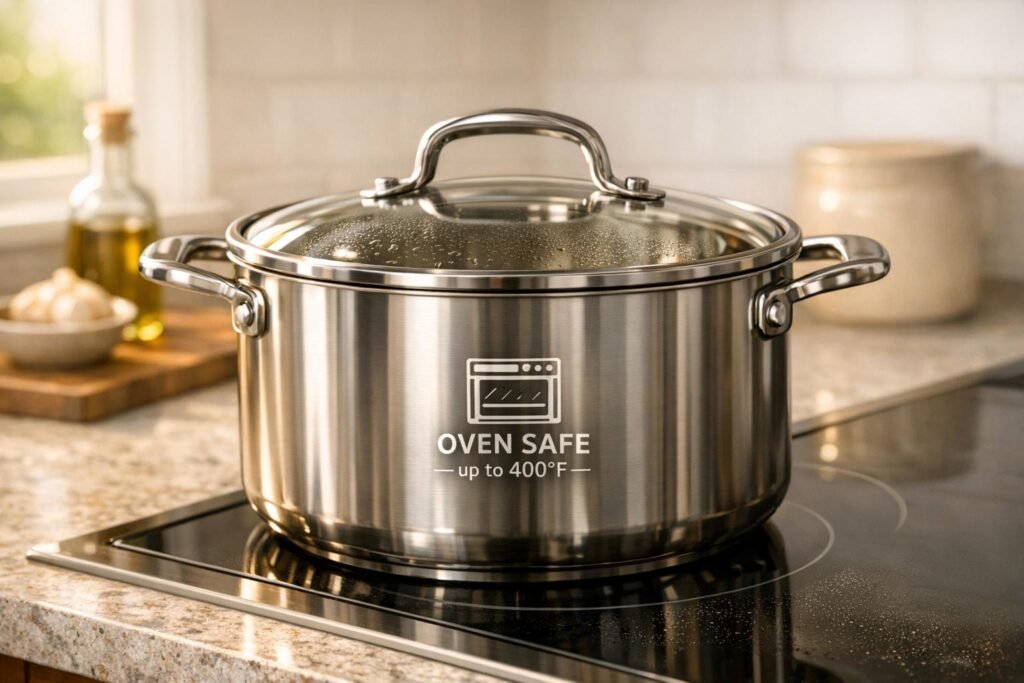
Learn how to check if cookware is oven-safe by reading symbols, checking materials and handles, following manufacturer limits, and safely testing unlabeled pieces.

Use separate boards for raw and ready-to-eat foods, wash and sanitize after use, dry completely, and replace boards with deep grooves or cracks.

Make an effective, eco-friendly kitchen cleaner with vinegar, water, and essential oils — safe, inexpensive, and ideal for most non-porous surfaces.

Daily habits, weekly and monthly cleaning, and simple fixes to prevent clogs, odors, and costly repairs—keep your garbage disposal working for years.

Safe raw meat handling prevents foodborne illness—simple habits like handwashing, separate prep, proper storage, thawing, and cooking to safe temperatures.

Choosing starter cookware means balancing ease and longevity: nonstick sets make learning simple while stainless steel offers durability for long-term cooking.

Batch cooking freezer meals cuts daily stress—plan recipes, prep efficiently, freeze properly, and reheat to 165°F for safe, ready-to-eat meals.