
Cutting Board Safety: Preventing Cross-Contamination
Use separate boards for raw and ready-to-eat foods, wash and sanitize after use, dry completely, and replace boards with deep grooves or cracks.


Use separate boards for raw and ready-to-eat foods, wash and sanitize after use, dry completely, and replace boards with deep grooves or cracks.

Make an effective, eco-friendly kitchen cleaner with vinegar, water, and essential oils — safe, inexpensive, and ideal for most non-porous surfaces.

Daily habits, weekly and monthly cleaning, and simple fixes to prevent clogs, odors, and costly repairs—keep your garbage disposal working for years.

Safe raw meat handling prevents foodborne illness—simple habits like handwashing, separate prep, proper storage, thawing, and cooking to safe temperatures.

Choosing starter cookware means balancing ease and longevity: nonstick sets make learning simple while stainless steel offers durability for long-term cooking.

Batch cooking freezer meals cuts daily stress—plan recipes, prep efficiently, freeze properly, and reheat to 165°F for safe, ready-to-eat meals.
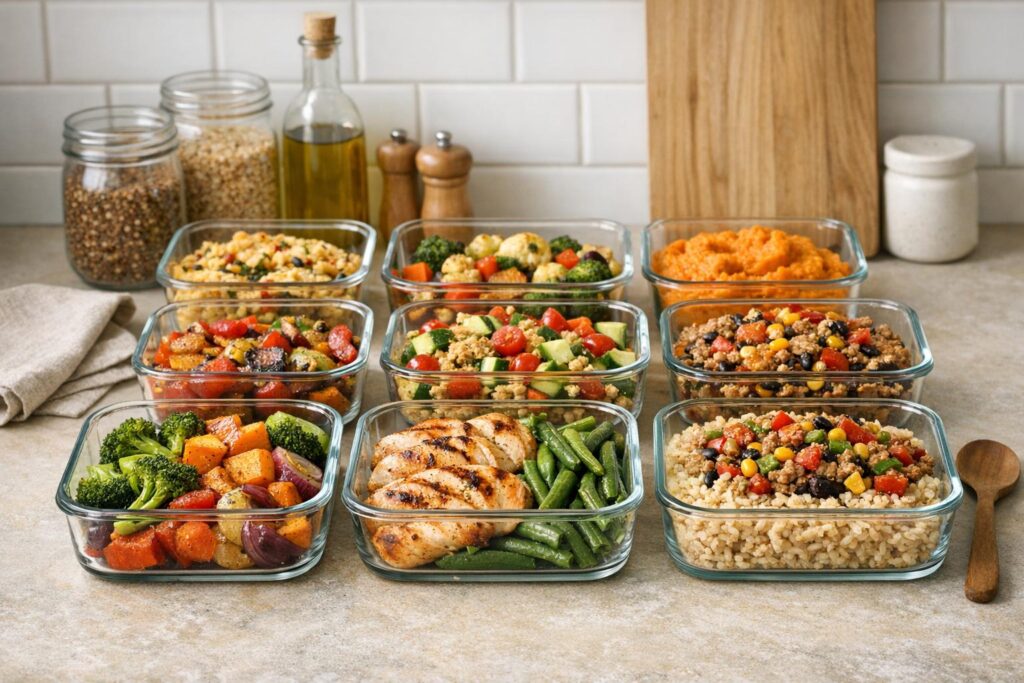
Prepare multiple meals in 1–3 hours weekly to save time, cut food costs, reduce waste, and simplify dinners with shared-ingredient recipes and smart storage.

Safe internal temps for beef, pork, poultry and ground meat, plus how to use thermometers, proper resting times, and cross-contamination tips.

Seasonal produce transforms everyday meals with fresher flavor, better nutrition, lower cost, and local impact across breakfasts, lunches, and dinners.

Practical steps to stop allergen cross-contact in home kitchens: storage, color-coded tools, wash‑rinse‑sanitize, prep order, and emergency response.